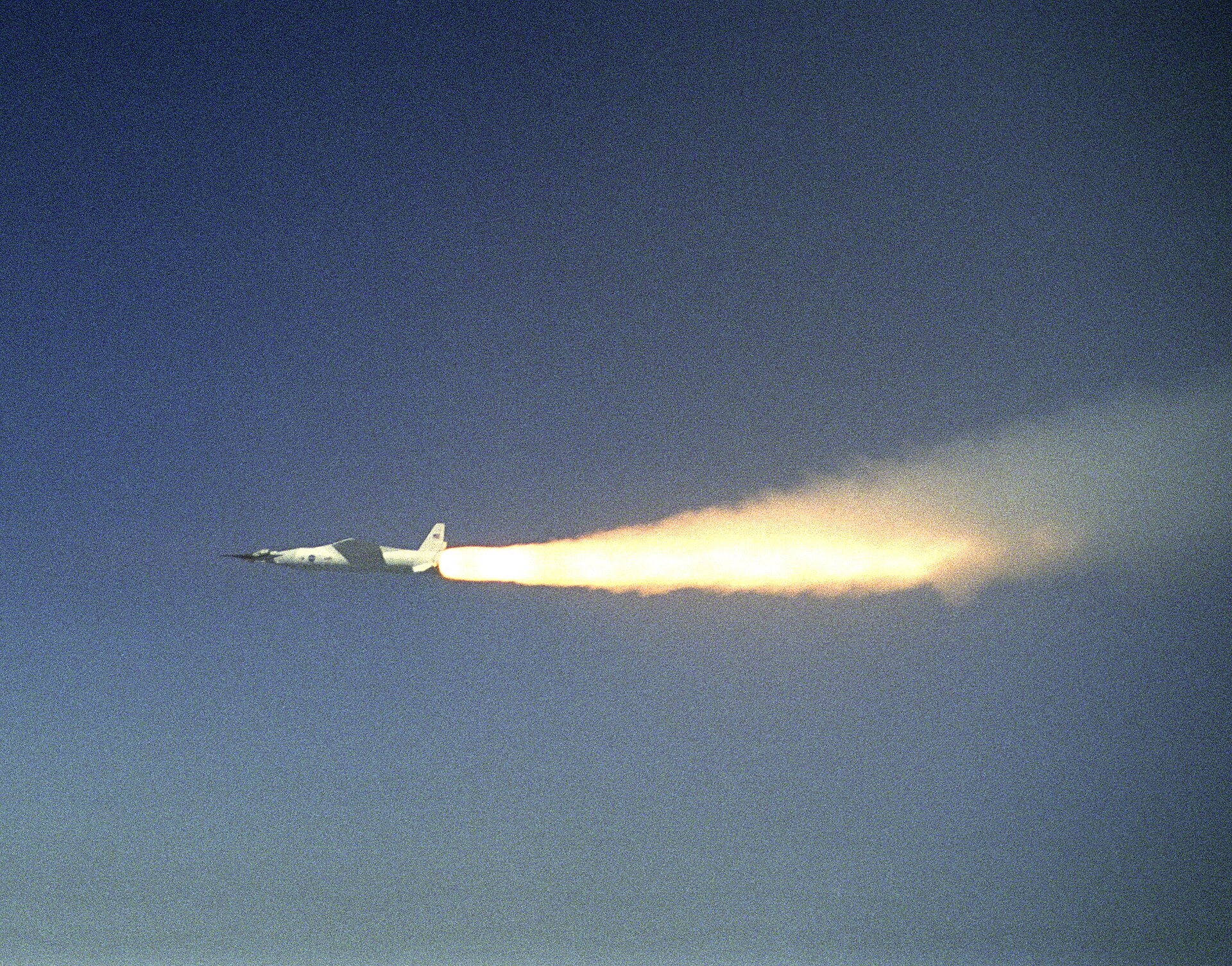
Hypersonic aircraft travel at speeds greater than Mach 5, where air behaves very differently than at normal flight speeds. At these extreme velocities, heat becomes one of the biggest threats to aircraft survival. Understanding how engineers manage this heat helps explain the future of high-speed aerospace travel.
Why Hypersonic Flight Produces Extreme Heat
As a hypersonic aircraft moves through the atmosphere, air molecules compress rapidly in front of the vehicle. This compression causes temperatures to rise dramatically, often exceeding 1,000°C.
In addition to compression, friction between the aircraft surface and the air adds more heat. Unlike conventional aircraft, hypersonic vehicles must treat heat as a primary design challenge.
Advanced Materials Used to Resist Heat
Hypersonic aircraft are built using materials that can withstand extremely high temperatures. Common materials include ceramic matrix composites and carbon-carbon structures.
These materials are chosen because they maintain strength even when exposed to intense heat. Engineers carefully place them in areas where thermal stress is highest, such as leading edges and nose sections.
Cooling Systems and Thermal Protection
Many hypersonic vehicles use thermal protection systems similar to those used on spacecraft. These systems prevent heat from damaging internal structures.
Some designs also use active cooling, where fuel flows through internal channels to absorb heat before being burned. This method helps reduce surface temperature while improving engine performance.
Conclusion
Managing extreme heat is one of the greatest challenges in hypersonic flight. Through advanced materials and innovative cooling techniques, engineers make it possible for aircraft to survive at incredible speeds. As research continues, mastering heat control will play a key role in the future of aerospace engineering.