The airspace and battlefield are advancing alongside the rise of autonomous systems. At the forefront of this transformation is the Defense Advanced Research Projects Agency (DARPA) and its Gremlins program. This initiative aims to develop reusable and cost-effective drone swarms that have the potential to revolutionize military operations and logistics.
What Is the Gremlins Program?
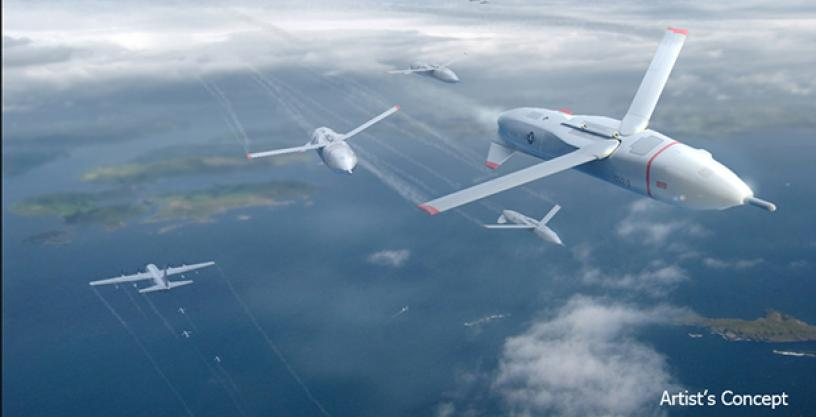
DARPA launched the Gremlins program to develop low-cost, recoverable unmanned aerial vehicles (UAVs) capable of being launched and recovered midair. These drones are programmed to operate in swarms, sharing the data and executing some coordinated actions.
The main objective is to make drone operations more cost-effective and flexible. Unlike traditional drones that may be lost after a single use, Gremlins are intended to reduce replacement costs and extend the mission duration.
Gremlins drones are small in size and equipped with modular payloads, meaning they can be fitted for intelligence, surveillance, reconnaissance, or electronic warfare missions.
How It Works
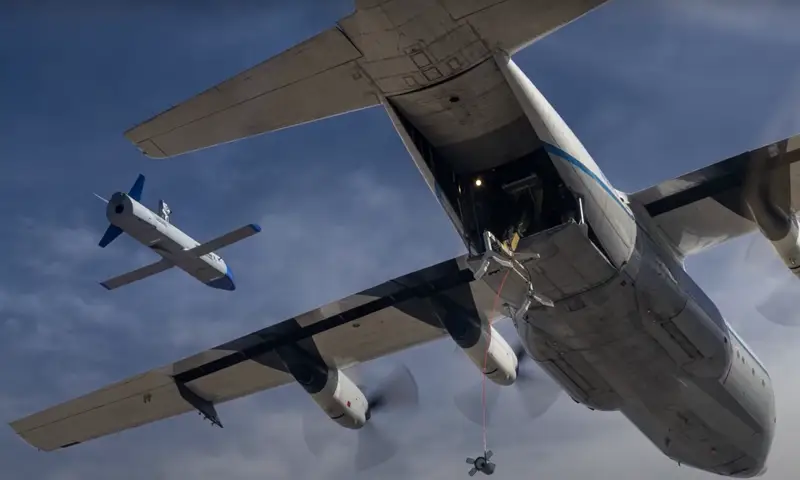
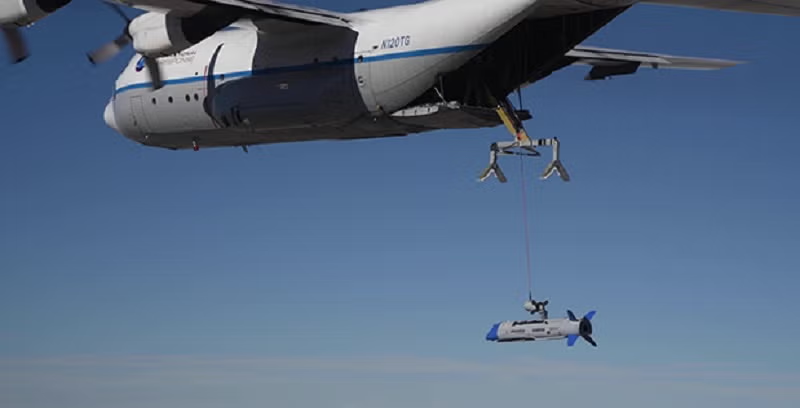
Aerial recovery is the most important innovation of the Gremlins programs. Once the mission is completed, the drones fly back to a designated recovery zone. They are then captured midair by a modified transport aircraft, like a Lockheed C-130 Hercules, using a specialized recovery system.
The technique eliminates the need for runways or ground crews in adverse conditions. It also simplifies operations and reduces the risk of system failure.
Swarm coordination depends heavily on advanced software. Each unit can exchange data with other drones and with operators, allowing tasks to be adjusted as situations evolve. This reduces the need for constant human control.
Potential Military Impact
Swarm drones may transform mission planning and execution. One key benefit is redundancy. If a single drone malfunctions, other drones in the swarm can take over its tasks.
Gremlins drones can be reused multiple times during extended missions because they are designed for recovery and redeployment. This differs from many existing UAV systems, which are costly and often lost in combat.
Due to their modular payload design, these drones can serve various applications. They may collect intelligence, monitor the ground, intercept enemy communications, or support electronic warfare operations.
Such flexibility renders them useful in volatile conflict zones.
Challenges and Future Development
Midair recovery is technically complex. Proper timing and positioning are essential for safe capture. The process is still being refined through ongoing research and testing.
Swarm coordination presents another challenge. Ensuring that multiple autonomous units collaborate effectively without interference requires advanced software and systems engineering.
Despite these challenges, testing has demonstrated encouraging results. DARPAcontinues to collaborate with industry and military partners to develop field-ready systems.
Conclusion
The Gremlins program by DARPA couldsignificantly transform the application of drones in defense. By redesigning unmanned aircraft to be reusable and capable of operating in coordinated swarms, the project enhances flexibility and cost-effectiveness. If successfully implemented, Gremlins may help define the future of autonomous aerial systems.