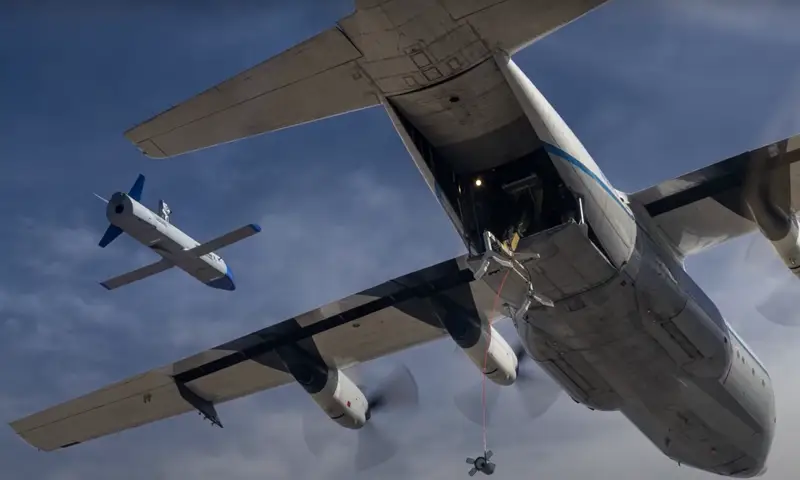
Breaking the sound barrier was once considered impossible. The aircraft which flew at near sound speed experienced severe turbulence which caused total loss of control. The aerospace engineers developed new design methods which enabled them to create aircraft that achieved supersonic flight.
What Happens Near the Speed of Sound
At sea level the speed of sound reaches approximately 343 meters per second. The aircraft creates increasing air pressure which generates shock waves when it approaches this particular speed.
The drag increase creates a drag force which aerospace engineers refer to as wave drag. The early aircraft failed to perform properly because their designers created them without considering these specific forces.
The sudden pressure changes could destabilize wings and control surfaces.
Engineering Solutions for Supersonic Flight
Engineers created swept-back wings which provide better high-speed performance through reduced drag. Swept wings delay shockwave creation while they enhance airflow efficiency.
Stronger materials were also required. Titanium served as the material which the SR-71 Blackbird utilized to endure extreme temperatures resulting from air friction.
Engineers made new designs for engine inlets which would control airflow better during supersonic operations. Jet engine performance depends on proper air compression.
Why Supersonic Engineering Still Matters
Modern aerospace development still finds its roots in supersonic research. Military aircraft need high-speed capabilities to conduct both defense operations and reconnaissance missions.
New companies are developing quieter supersonic passenger travel systems. Current research focuses on minimizing sonic boom effects which have impact.
Advances in materials science and aerodynamics enable the production of faster and more efficient aircraft.
Conclusion
The engineers of supersonic flight needed to solve severe problems which existed in both aerodynamic design and material development. Aerospace innovators mastered aviation through their research on shockwave behavior and drag effects and airflow patterns. The design of modern aircrafts still incorporates the advancements which emerged during the supersonic flight period.