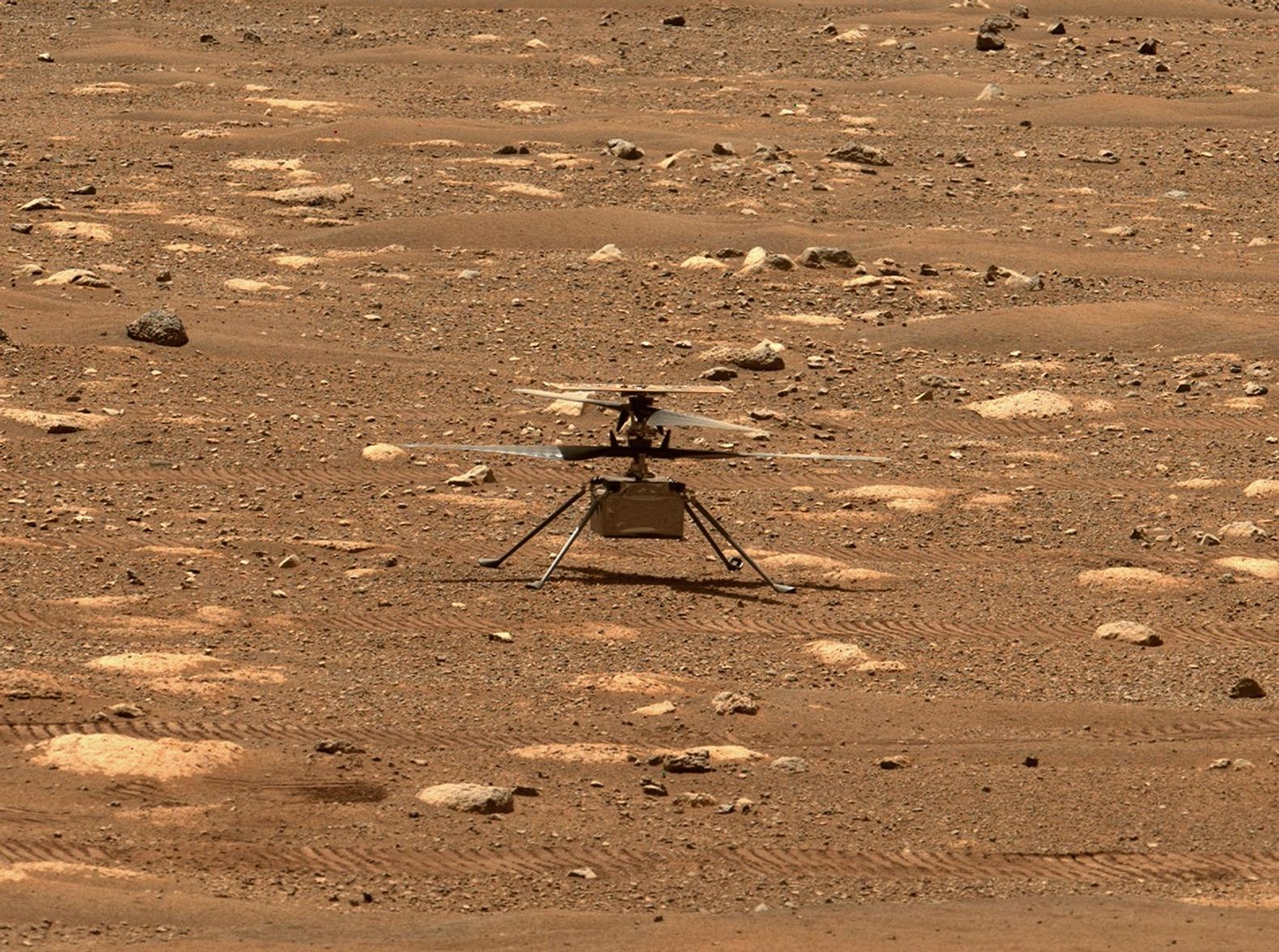
The idea of flying a helicopter on Mars appears to be an unachievable goal because of its technical difficulties. The Martian atmosphere requires advanced engineering because of its extreme thinness, which prevents helicopters from obtaining the necessary lift for flight. NASA's Ingenuity helicopter made history in 2021 when it completed the first powered flight outside Earth which established a new era in aerospace development.
The Challenge of Flying on Mars
Mars’ atmosphere contains only 1 percent of the atmospheric density found on Earth. The result is that rotor blades need to work with specific air conditions to create sufficient lift for their flight.
Engineers created Ingenuity with its large lightweight carbon-fiber blades to solve the weight problem. The blades achieve their spinning speed of 2400 rotations per minute which exceeds the rotational speed of most Earth-based helicopters.
The helicopter needed to maintain an extremely low weight requirement. Which is its requirement for flight capability through its total weight of 1.8 kilograms (4 pounds).
Engineering Solutions Behind Ingenuity
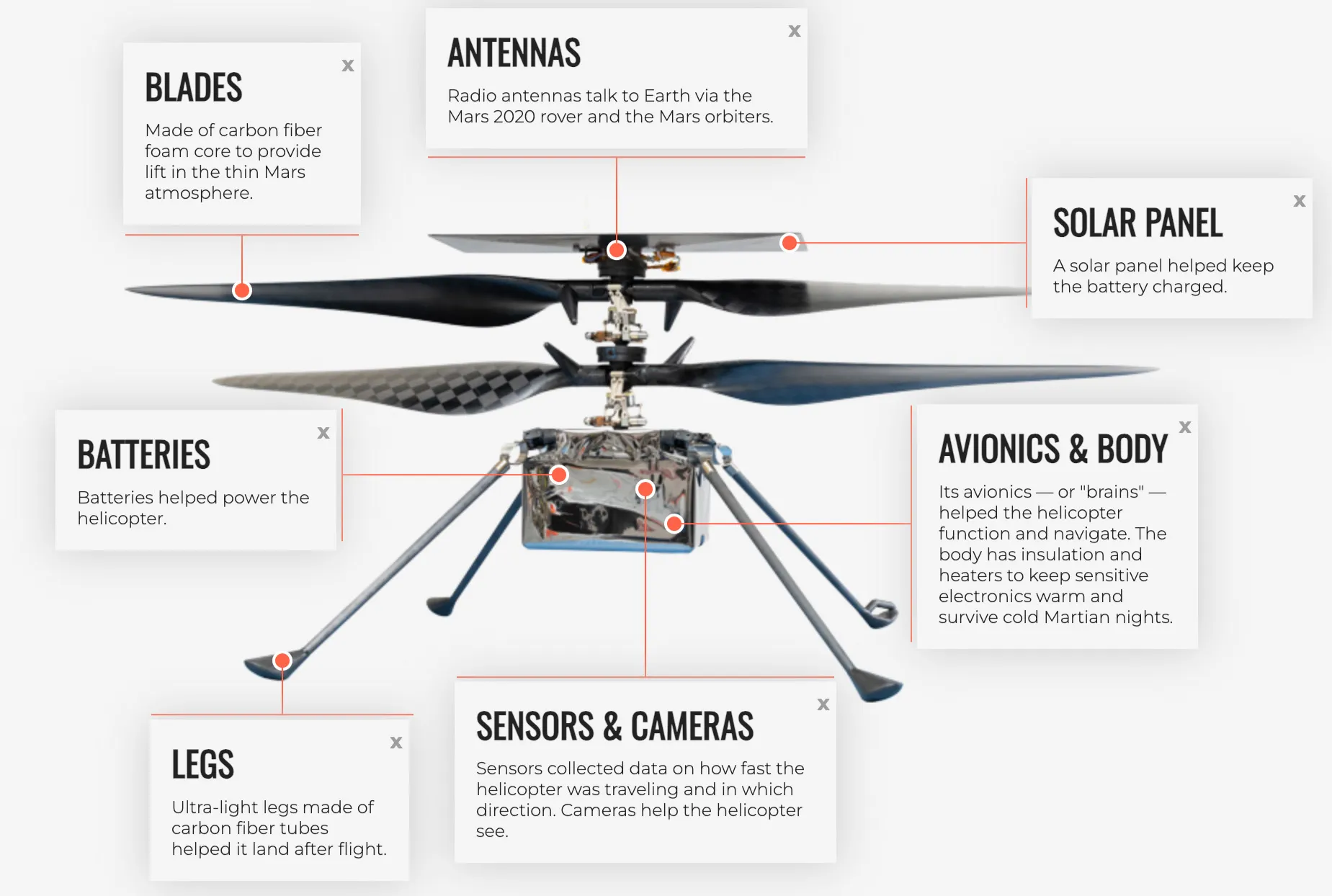
The aircraft Ingenuity uses counter-rotating blades which help maintain its flight stability. The system generates no torque which allows pilots to operate the aircraft without requiring a tail rotor.
The distance of Mars from Earth prevents scientists from achieving real-time flight control. The Ingenuity helicopter operates its flight missions through its onboard sensors and cameras and navigation algorithms which work together to create an autonomous system.
The system uses solar panels as its primary method to recharge its battery. The solar panels generate electrical power which supports both flight operations and survival heater systems that operate during the cold Martian nighttime.
Why This Matters for Aerospace Engineering
The engineers behind Ingenuity developed the drone as a brief technology demonstration. The project succeeded beyond its original goals by conducting more than twenty flight tests.
The achievement demonstrates that aircraft can perform powered flight operations in locations outside Earth. This discovery enables scientists to start planning future missions which will study aerial flight operations on various planets and moons.
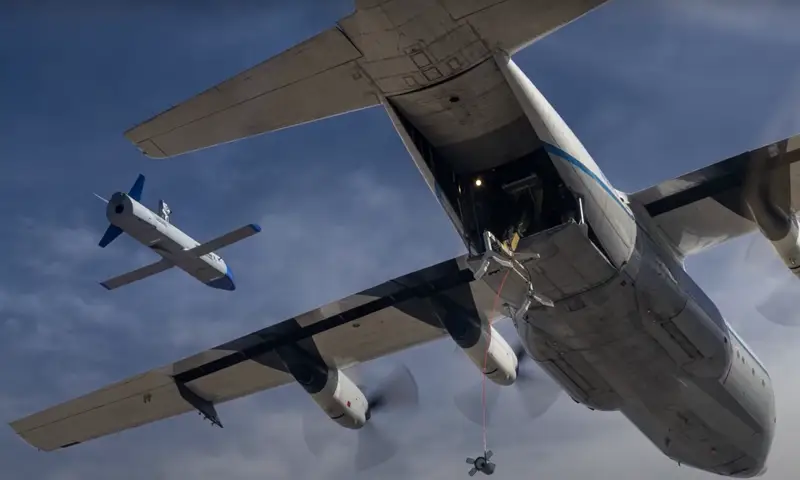
The military will utilize these aircraft to conduct reconnaissance missions which will help discover new places and assist their ground vehicles and access locations that humans find difficult to reach.
Conclusion
NASA's Ingenuity helicopter marks a significant achievement for aerospace engineering, by successfully overcoming the challenges of flight in thin atmospheric conditions. The achievements of Ingenuity demonstrate that innovative progress begins when researchers conduct experiments with their most ambitious concepts.