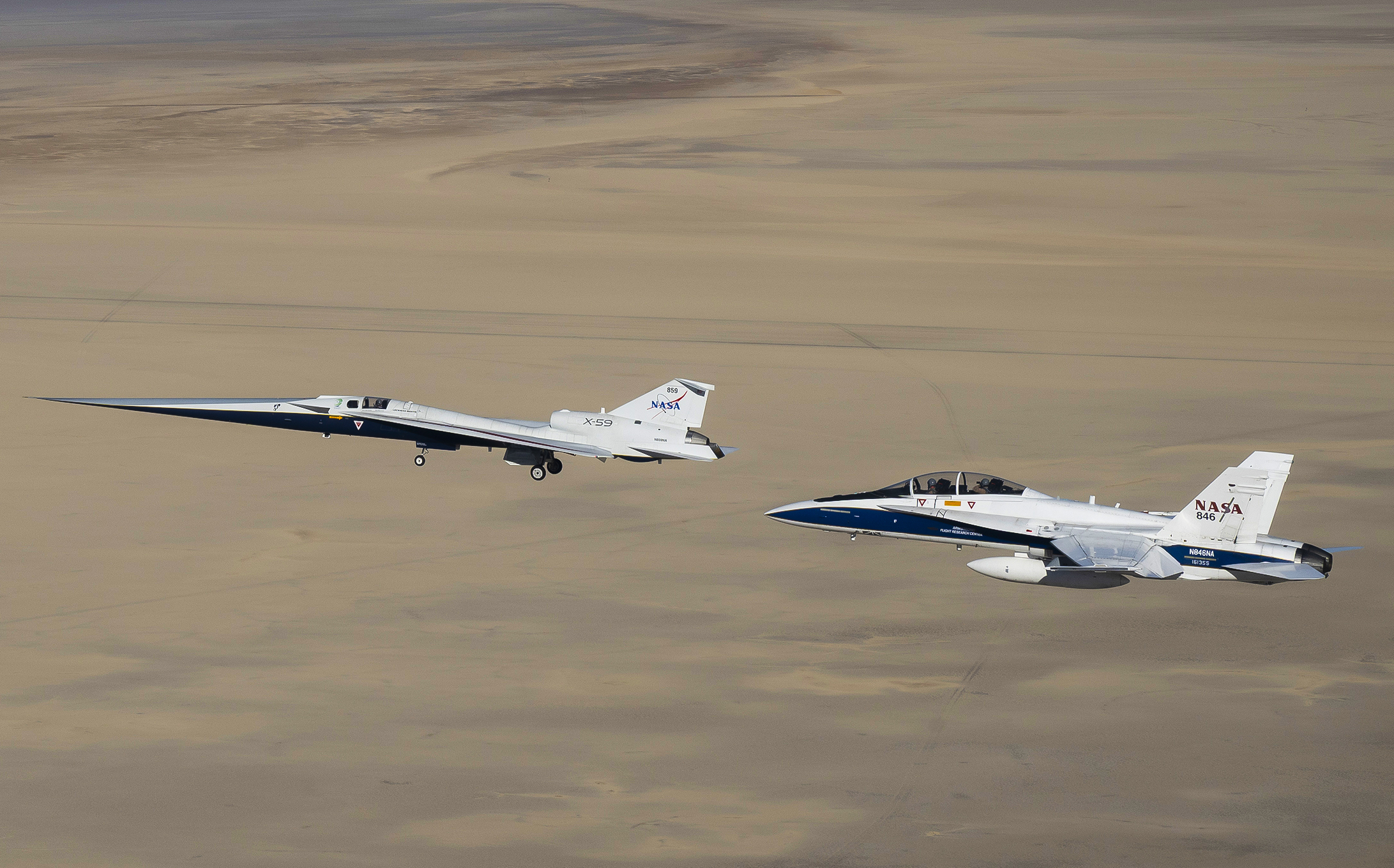
In the past, supersonic passenger travel was viewed as the future of aviation. Noise restrictions and the high cost of operation brought that vision to an end when Concorde was retired. NASA is currently reviving it with the X-59 Quiet Supersonic Jet, which it considers revolutionary.
The Challenge of Sonic Booms
A Sonic boom has long been one of the greatest impediments to commercial supersonic travel. Aircraft travelling much faster than the speed of sound generate shockwaves that produce a loud, explosive sound on the ground.
Supersonic flights across land were banned in many countries due to these booms. This restriction rendered commercial supersonic routes expensive. The X-59 is designed to reverse this by transforming the loud boom into a softer thump that is far less disturbing to the communities.
Engineering a Quiet Supersonic Aircraft
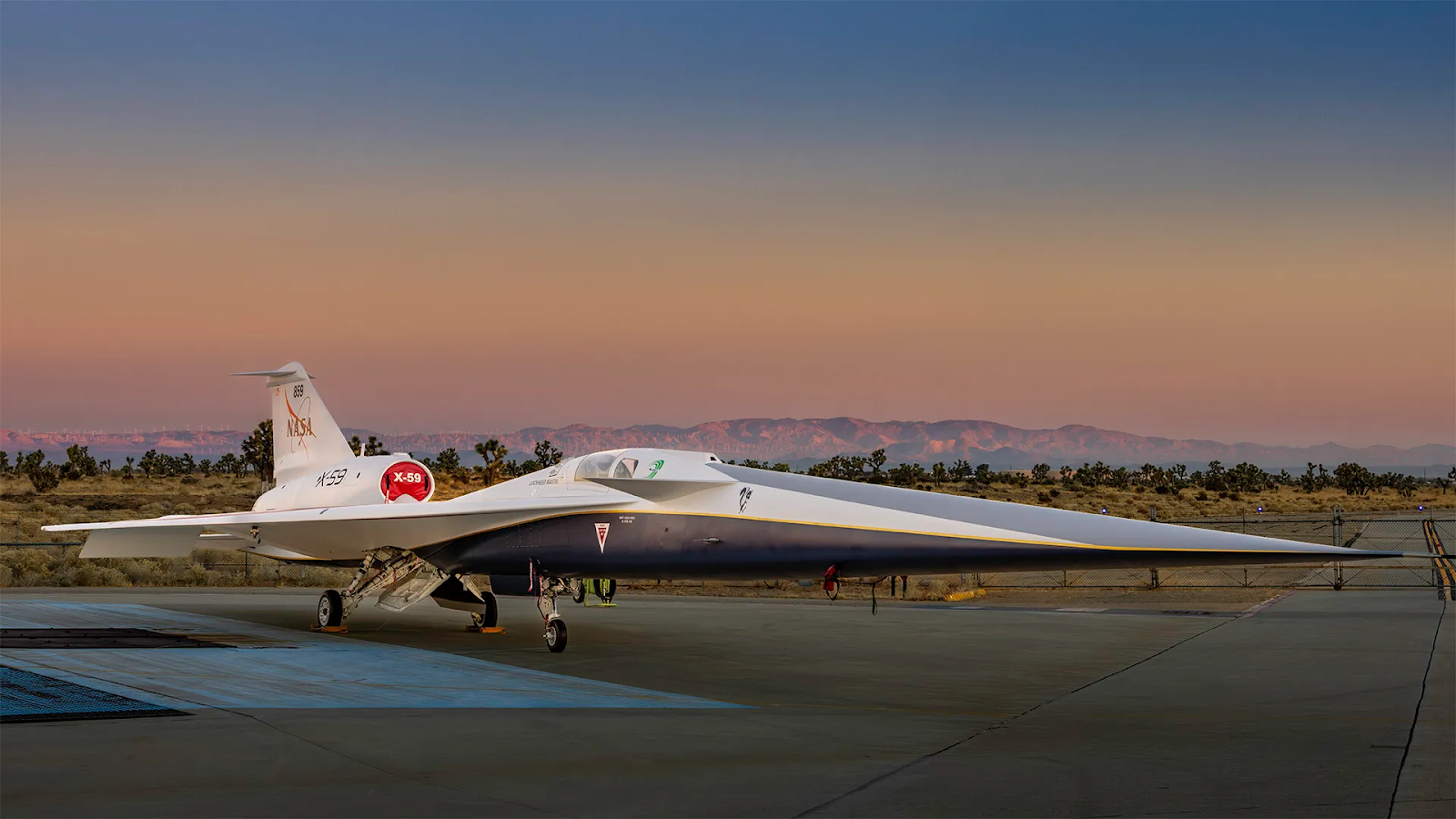
The X-59 is currently in development as one of the missions of NASA under the Quest project with Lockheed Martin. The aircraft has a long and narrow nose that is meant to refocus shockwaves before they hit the ground, and is approximately 99 feet long. It is designed to fly at Mach 1.4 at 55,000 feet.
This special construction enables the aircraft to manage pressure distribution and reduce the noise impact. Another notable feature is the lack of a forward cockpit window. Rather, pilots use a high-resolution external vision system to ascertain visibility.
Testing, Regulations, and the Future
The X-59 is not designed for commercial service. Its main aim is research and data gathering.NASA will fly the aircraft across selected communities to gauge the response of the people to the reduced noise levels. This information will assist regulators in reconsidering the existing prohibitions on supersonic flights in the air.
Private aerospace companies may be able to develop new supersonic passenger aircraft if the project is successful. This would alter global aviation and significantly shorten travel times over long distances.
Conclusion
The X-59 is a significant step in the direction of reviving commercial supersonic travel. NASA is laying the groundwork for faster and quieter air travel by tackling the sonic boom issue through advanced engineering. If regulatory changes follow successful testing, the return of supersonic passenger flights may soon become a reality.