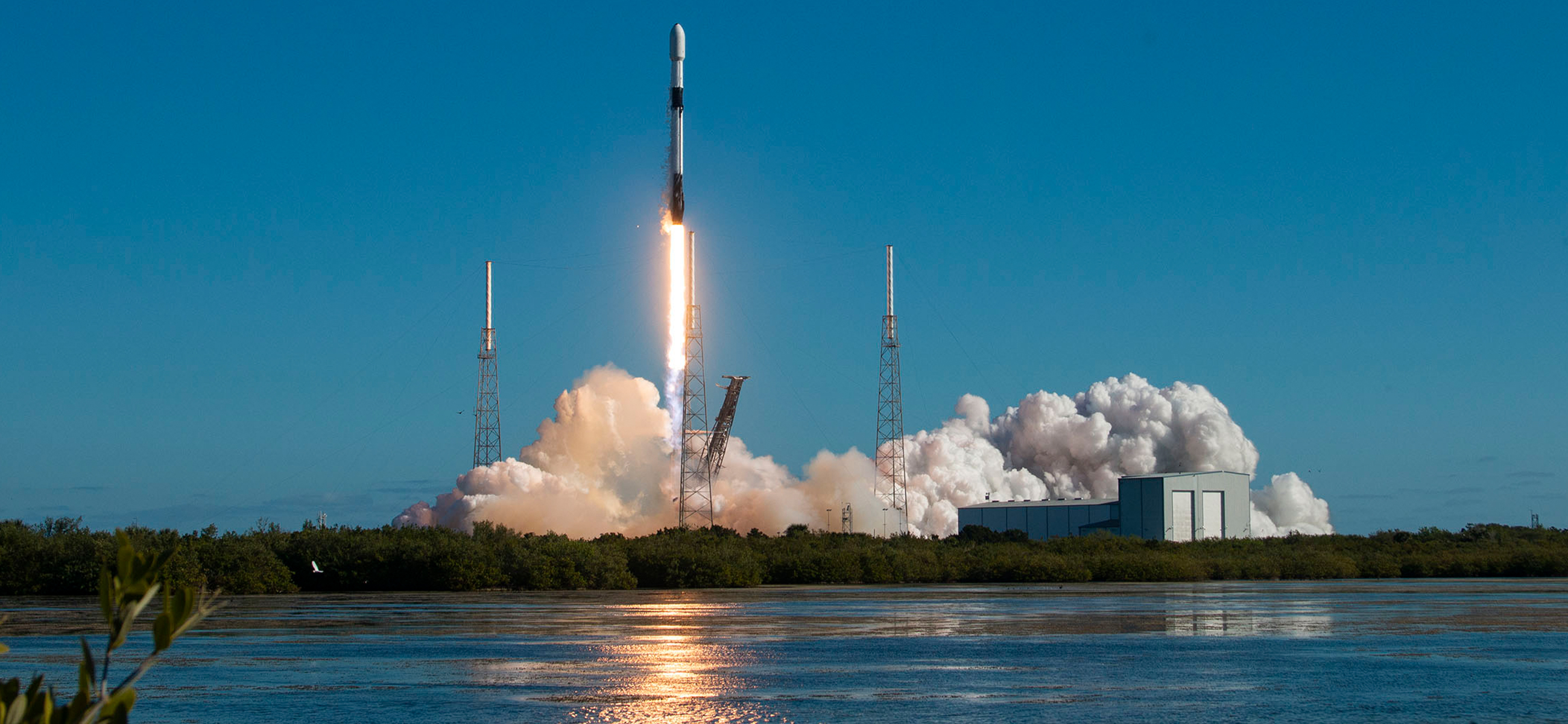
The space industry relied on rockets as one-time use devices for many years. The most costly parts of rockets went to the ocean or burned during atmospheric reentry after their initial launch. The development of reusable rocket technology establishes a new business model which transforms space travel operations.
The Problem With Traditional Rockets
Traditional rockets are designed for one flight. The booster separates from the rocket after launch and becomes waste.
Space missions become highly costly because of this method. The space industry faces operational challenges because it needs to build a new rocket for every single mission.
Engineers have dedicated their efforts to finding methods which enable safe recovery and reuse of essential equipment.
How Reusable Boosters Work
The Reusable Booster System operates through its design functions which enable rockets to return to Earth after their first stage has separated from the spacecraft. The first stage performs controlled burns to slow down and guide itself back.
Grid fins help steer the booster during descent. The landing legs deploy before the rocket touches down to maintain its upright position.
The landing operation needs accurate navigation systems which make immediate adjustments and use advanced systems for controlling propulsion.
Why Reusability Matters
The practice of booster reuse results in major decreases of expenses required for spacecraft launches. The space industry benefits from lower expenses which enable operators to conduct more missions while opening space access to additional users.
The process enables engineers to develop new designs through the inspections of spaceflown boosters which they will use in subsequent missions.
The implementation of reusable systems brings the space industry closer to developing systems which enable both sustainable and expandable space transportation methods.
Conclusion
The aerospace engineering field experiences its first major shift with the introduction of reusable rocket technology. Engineers achieve higher space access while lowering operational expenses through their work on booster recovery and relaunch systems. Space exploration research will maintain reusability as its core element throughout future advancements.