Aviation technology continues to advance rapidly, one example being the emergence of VTOL (Vertical Take-Off and Landing) technology. VTOL technology is a flight concept that allows aircraft to fly without conventional runways. With advances in electrical technology, automation, and artificial intelligence, VTOL is now a key focus in the transformation of the global aviation industry.
What is VTOL?
VTOL (Vertical Take-Off and Landing) is an aircraft technology that allows for vertical takeoff and landing without the need for a long runway. VTOL aircraft are generally equipped with an engine or propeller system that can be directed to produce upward or downward thrust, allowing them to hover in the air and maneuver more flexibly. VTOL technology is an important solution for flight operations in confined areas or areas with minimal airport infrastructure, such as aircraft carriers, military bases, and remote areas. In addition, flexible takeoff and landing capabilities make VTOL aircraft very effective in supporting emergency missions and military operations that require a rapid response.
Types of VTOL
Types of VTOL (Vertical Take-Off and Landing) aircraft are grouped based on their takeoff mechanism and propulsion system. This classification reflects the differences in design and function of VTOL aircraft for various operational needs.
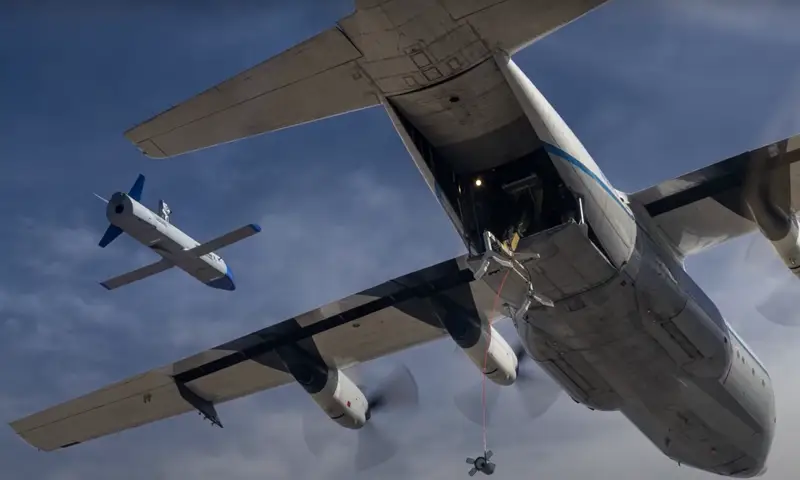
- Tailsitter is a type of VTOL that relies on the tail when taking off and landing vertically, then transitions to a horizontal position when flying forward.
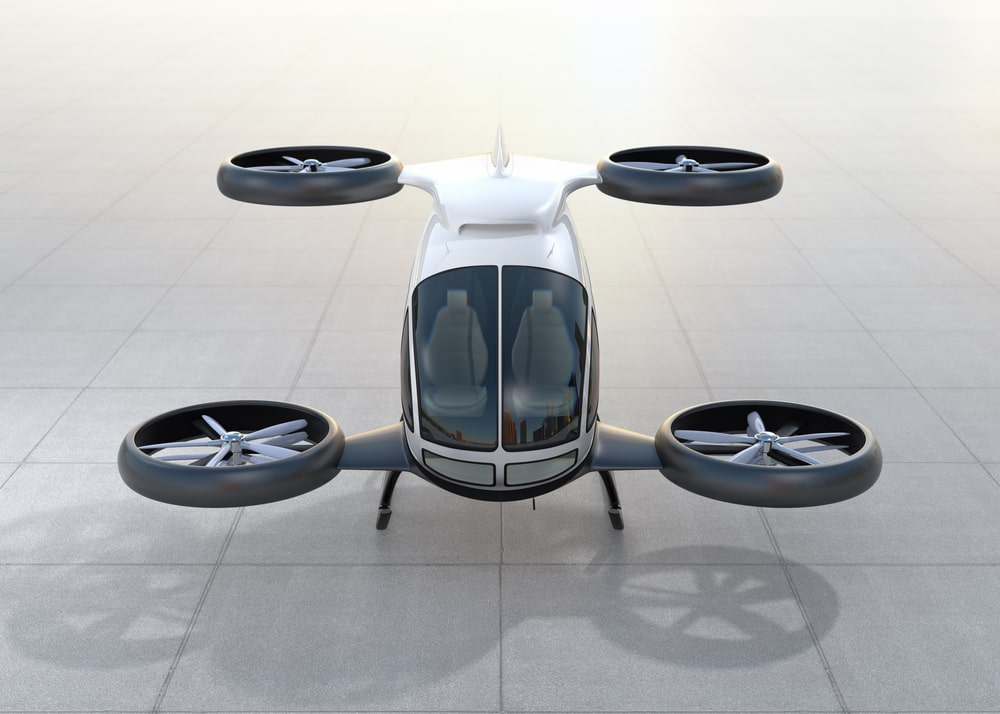
- Tiltrotor / Tiltwing: A VTOL is a type of aircraft with rotors or wings that can rotate from a vertical to a horizontal position. This mechanism allows the aircraft to perform vertical takeoffs while maintaining the flight efficiency of a fixed-wing aircraft.
- Fixed-Wing Hybrid VTOL: Combines vertical propellers for takeoff and landing with fixed wings for more energy-efficient forward flight. This type is widely used in logistics and medium-range delivery drones.
- Jet Vertikal : A VTOL is a type of aircraft that utilizes the downward thrust of a jet engine to lift the aircraft vertically. This technology is commonly used in fighter aircraft that require high flexibility in military operations.
How VTOL Works
VTOL technology works by utilizing vertical lift during takeoff and landing, which is typically generated by a rotor system. Once airborne, a VTOL aircraft or drone switches to horizontal flight mode, utilizing fixed wings, to more efficiently cover long distances. This hybrid design allows VTOLs to operate in confined areas while also covering a wider area. Generally, VTOL drones operate in two main flight modes: vertical and horizontal.
- Vertical Mode (Takeoff and Landing): VTOL drones use multiple independently rotating motors to generate upward lift. The rotors direct the thrust downward, allowing the drone to take off vertically or land directly on a surface, operating similarly to a helicopter.
- Horizontal Mode (Long-Range Flight): VTOL drones transition after takeoff by changing rotor orientation or activating fixed wings. In this mode, the fixed wings generate lift, while the rotors provide forward thrust. Horizontal flight allows VTOL drones to fly more stably, energy-efficiently, and effectively for long-range missions.
- Transition Between Modes: The primary advantage of VTOL drones lies in their ability to transition between flight modes. Switching from vertical to horizontal mode, and vice versa, is performed automatically through an advanced flight control system. This mechanism allows VTOL drones to maximize takeoff and landing flexibility while maintaining efficiency over long distances.
Advantages of VTOL
The advantages of VTOL technology make it a key innovation in the aviation industry. Supported by electric technology and intelligent systems, VTOL technology can provide a more environmentally friendly and efficient mode of air transportation. Here are the advantages of VTOL technology.
- Operational Flexibility: Thanks to their vertical takeoff and landing capabilities, VTOL drones can operate in confined areas without the need for long runways. This advantage makes them an ideal solution for use in urban areas, industrial areas, and difficult terrain that conventional drones cannot reach.
- Longer Flight Capability: Most VTOL drones adopt a hybrid design, combining fixed-wing technology and VTOL systems. This configuration allows VTOL drones to have longer range and flight duration than multirotor drones, which are generally more energy-intensive.
- Improved Stability: By utilizing fixed wings during horizontal flight, VTOL drones are able to maintain optimal stability during long-distance flights. This stability greatly supports data collection, aerial mapping, and surveying needs that require a high level of accuracy.
- Easy to Use in Various Conditions: VTOL drones can be used in a variety of environments, from mountainous areas and coastal areas to disaster-affected areas. Their vertical takeoff and landing capabilities make them effective even in locations with limited access and infrastructure.
VTOL technology is an air transportation system designed to reduce ground congestion. VTOL can take off and land vertically, allowing it to operate in confined areas such as rooftops, helipads, or remote areas. With more direct routes and flexible takeoff and landing processes, VTOL can reduce travel time, especially for short- and medium-distance transportation. VTOL technology can also be used for many sectors, such as medical evacuation, logistics, emergency missions, military, and commercial transportation.